Payment Method Preferences Reshaping Roulette Engagement Patterns in Online Environments
Gisela Günther · Nov 17, 2026

Payment Method Preferences Reshaping Roulette Engagement Patterns in Online Environments
Data from multiple gambling behavior analyses indicate that payment method selection correlates directly with how players approach roulette sessions across digital platforms, particularly in terms of bet sizing, session duration and game variant preferences, while researchers tracking transaction patterns through November 2026 note continued shifts as instant funding options expand.
Observers tracking user data across international markets report that faster deposit methods such as e-wallets and pay-by-phone services often align with higher frequency betting cycles, whereas card and bank transfer users tend toward more measured wager placement and longer consideration periods between spins. Studies compiled by academic institutions show these patterns emerge because instant access reduces friction in funding accounts, allowing players to adjust stakes rapidly during live dealer sessions or automated table games.
Transaction Speed adn Roulette Variant Selection
Payment processing times influence which roulette formats gain traction among different user groups, since those relying on methods with same-day settlement frequently engage with high-speed variants that feature quicker round cycles. Figures from industry reports reveal that platforms offering multiple instant options record elevated participation in European and American wheel formats among users who deposit via digital wallets, while slower traditional methods correspond with steady play on simplified single-zero tables. Researchers examining aggregated transaction logs across North American and European operators found correlations between funding speed and the tendency to switch variants mid-session, especially when bonus funds become available immediately upon deposit.
Security Perceptions Guiding Stake Management
Security features tied to specific payment systems shape how players manage their bankrolls during extended roulette play, with data indicating that methods incorporating additional verification layers often pair with more conservative betting strategies. According to findings published through the University of Nevada gaming research center, users who select verified bank transfers demonstrate steadier bet progression compared with those employing cryptocurrency options that prioritize anonymity. These distinctions appear because perceived protection levels affect risk tolerance, leading some groups to favor minimum stake tables when using newer digital assets while others maintain consistent middle-range wagers through established card networks.
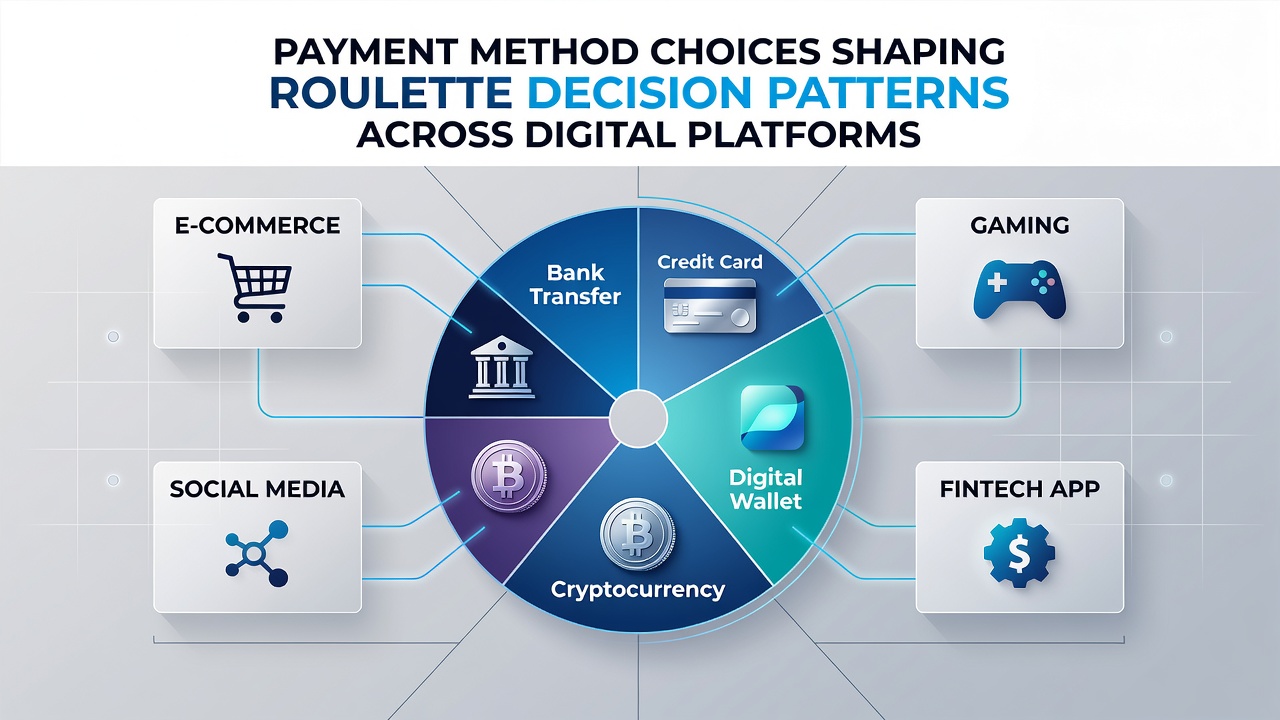
Regional regulatory environments further modulate these behaviors, since oversight frameworks in places like Australia and Canada impose distinct reporting requirements that affect how quickly funds move between accounts and tables. Data compiled by the Australian Gambling Research Centre highlights that payment method availability influences session length, with users of regulated instant options logging shorter but more frequent visits compared with those navigating multi-day clearance processes. Observers note that these differences persist across both desktop and mobile interfaces, where interface design reinforces the connection between funding method and decision speed.
Fee Structures and Long-Term Play Patterns
Transaction costs associated with each payment category produce measurable effects on sustained roulette engagement, particularly when withdrawal fees reduce net returns from winning sessions. Analyses of player cohorts show that methods carrying higher per-transaction charges correlate with adjusted betting thresholds, as participants recalibrate stake levels to offset those expenses over multiple rounds. Evidence from longitudinal tracking studies demonstrates that fee-conscious users often consolidate activity into fewer but larger sessions when employing costlier options, whereas low-fee alternatives support more fragmented play across different times of day. Platforms that display clear cost breakdowns at the point of selection enable players to anticipate these impacts before committing funds.
Emerging Trends Through Late 2026
By November 2026, integration of newer instant payment rails continues to alter how roulette decision patterns evolve on digital platforms, with operators reporting increased uptake of hybrid funding combinations that blend speed and verification. Aggregated platform statistics indicate rising preference for methods that support both immediate deposits and rapid cashouts, prompting adjustments in how players time their entry into high-limit tables versus casual sessions. Those monitoring cross-border data flows observe that these shifts vary by jurisdiction, reflecting local infrastructure differences and user familiarity with digital finance tools rather than uniform global trends.
Conclusion
Payment method choices continue to intersect with roulette engagement across digital platforms through measurable influences on timing, variant selection and stake calibration, as transaction data from diverse markets demonstrate consistent associations between funding options and behavioral outcomes. Researchers and platform analysts track these dynamics through ongoing observation of user patterns, noting that external factors such as regional regulations and technological infrastructure maintain their role in shaping how different groups interact with roulette offerings over time.