Engine Anomalies Determining Bonus Code Validity Periods in Instant Mobile Payment Systems and Live Dealer Platforms
Riley Perry · Nov 3, 2026
Engine Anomalies Determining Bonus Code Validity Periods in Instant Mobile Payment Systems and Live Dealer Platforms
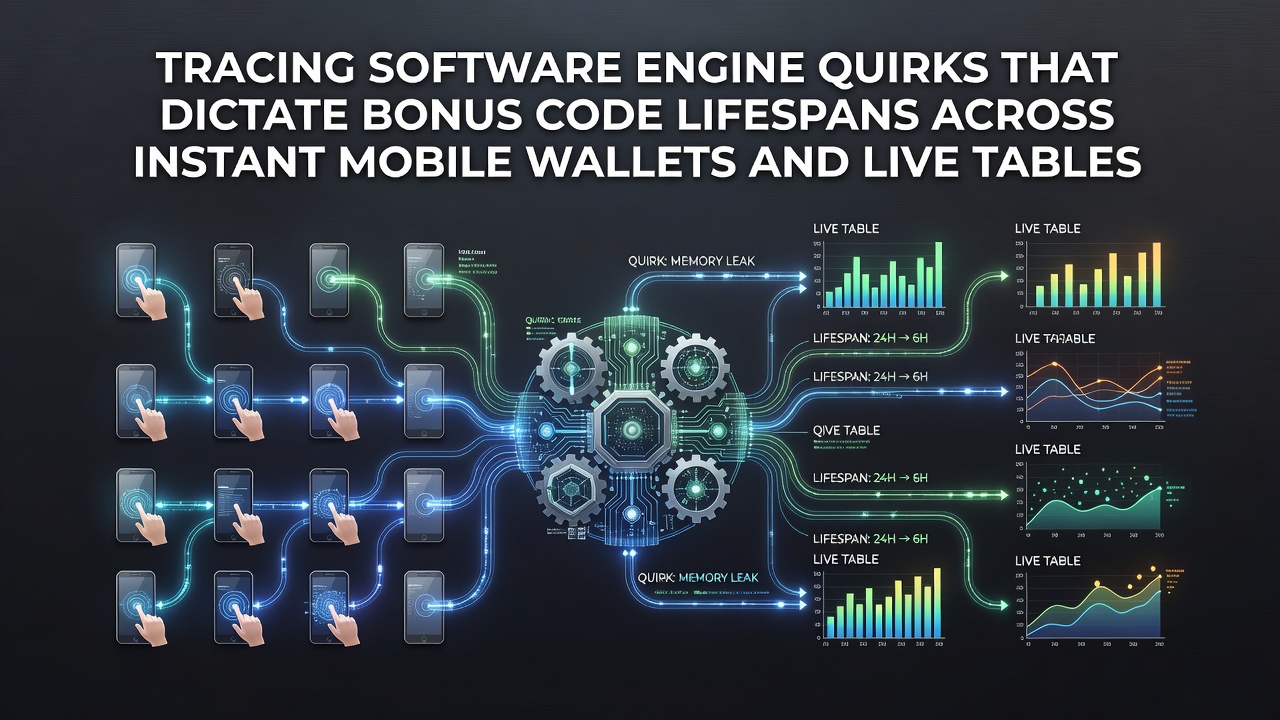
Software engines powering online casino platforms often exhibit specific quirks that control how long bonus codes remain active, particularly when integrated with instant mobile wallets and live dealer tables, and observers note these patterns emerge from timestamp synchronization issues combined with session management protocols.
Data from gaming technology reports shows that mobile wallet integrations frequently rely on real-time API calls that introduce delays in code validation, where a bonus code activated via an e-wallet deposit might expire based on server clock offsets rather than the intended promotional window, and researchers have traced these lifespans to differences in how operating systems handle UTC conversions during high-volume transactions.
Timestamp Handling and Wallet Synchronization
Instant mobile wallets process deposits through layered authentication steps that intersect with casino software engines, and this intersection creates variations in bonus code durations because some engines apply expiration logic at the point of fund clearance while others trigger it upon initial code entry. One study on fintech protocols in gaming environments revealed that discrepancies in device-level time settings versus backend servers lead to premature code deactivation, especially when users switch between network types during a single session.
Engine quirks also surface in how live table software manages concurrent player interactions, since these platforms require continuous data streams that can reset bonus timers if a connection hiccup occurs, and figures from industry analyses indicate that such resets shorten code lifespans by intervals ranging from minutes to full promotional periods depending on the reconciliation algorithm in use.
Live Table Session Protocols
Live dealer environments add further complexity because their engines track player actions through dedicated session IDs that link bonus codes to table participation metrics, and these IDs sometimes carry over expiration rules from wallet deposits in ways that either extend or curtail code availability based on game round completions. Observers tracking software updates have found that certain live table providers embed conditional checks for code validity at each bet placement, which interacts with mobile wallet APIs to produce lifespans that fluctuate according to latency in payment confirmations.
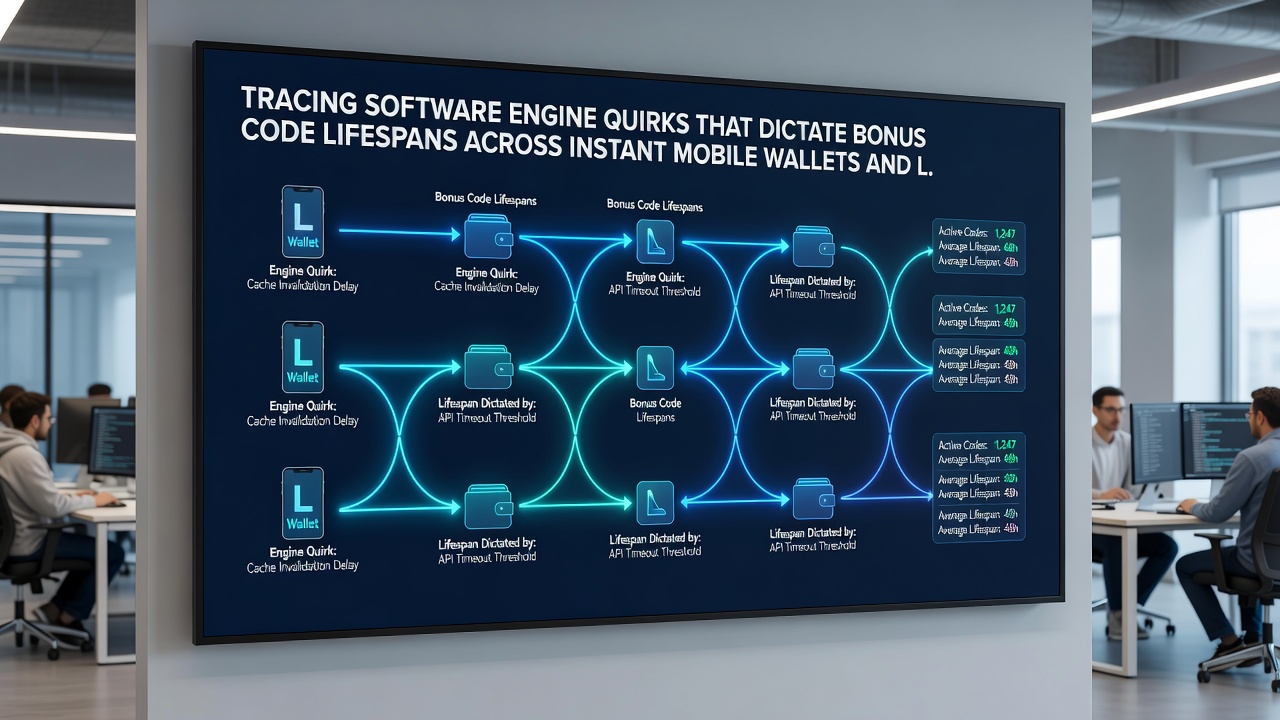
November 2026 marks a period when several platform operators implemented revised engine patches aimed at standardizing these interactions, yet residual quirks persist in legacy code segments that govern cross-platform bonus redemptions, and documentation from technical audits confirms that these patches addressed some synchronization gaps while leaving others intact in wallet-to-table data handoffs.
API Latency and Code Reconciliation
API latency represents another key factor, as mobile wallet transactions often route through third-party processors whose response times influence when an engine records a bonus code as activated, and this timing directly dictates the remaining lifespan window. Those who have examined gaming software architectures note that live tables compound the issue by requiring engines to poll multiple data sources simultaneously, which can introduce offsets that either accelerate expiration or create buffer periods depending on the polling frequency set in the core system.
Evidence from regulatory technology assessments in regions such as New Jersey highlights how engine variations affect compliance with bonus disclosure rules, since inconsistent lifespans can lead to disputes when codes fail to align with advertised durations across different access methods.
Cross-Platform Data Flows
Cross-platform data flows between instant wallets and live tables further illustrate these engine behaviors, where bonus codes tied to a mobile deposit might carry embedded metadata that the live table engine interprets differently during real-time gameplay, and this interpretation determines whether the code remains active through multiple rounds or terminates after a single interaction. Research papers on distributed gaming systems, including one from Carnegie Mellon University studies on real-time systems, demonstrate that such metadata handling stems from legacy integration points that prioritize speed over uniform expiration logic.
Engine quirks also manifest in error recovery routines, since a failed wallet confirmation during a live table session can force a code into a suspended state that either resumes or expires based on the recovery timeout thresholds programmed into the software, and operators report that these thresholds vary widely across different engine versions deployed in mobile versus desktop environments.
Conclusion
Tracing these software engine quirks requires systematic examination of timestamp protocols, API interactions, and session management across mobile wallets and live tables, and the patterns that emerge provide clear insights into why bonus code lifespans differ under various operational conditions. Continued monitoring of engine updates will likely reveal additional factors as platforms refine their integrations in the coming periods.